Dust storms in west texas

Advocating for a Dust Storm Monitor in Lubbock, TX
After years of research in the area, we identified three key susceptibilities of Lubbock to dust storms:
(1) the low risk perception of the population due to the synoptic nature of dust storms in this area,
(2) the increase in urgent care demand after dust events due to Lubbock’s health care support to rural West Texas, and
(3) the lack of appropriate monitoring for mineral particles.
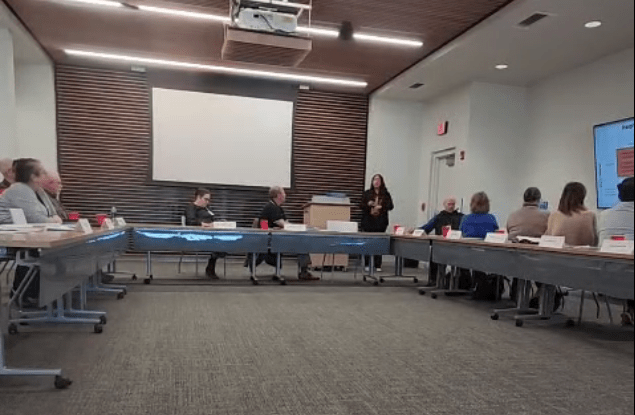
To move legislation forward, we presented evidence-based data to persuade council members, the board of health and the Public Health Department to support our proposal.
We decided to collaborate with our local government to appropriate funding to the purchase and installation of a dust storm monitor in town.
The Threat of Dust Storms to Public Health
Dust storms are among the most common yet least studied weather events that pose a public health risk.
From asthma attacks to cardiovascular diseases, exposure to mineral particles is associated with negative health impacts around the world.
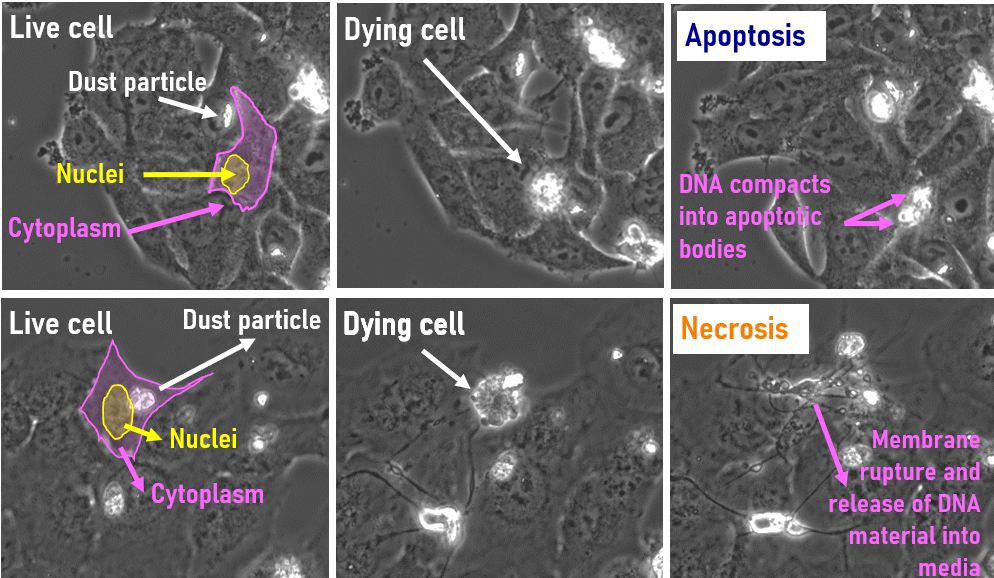
We approached the issue from two different fronts: The national impacts at the epidemiological level through a systematic review of peer-reviewed publications, and the experimentation of particle toxicity in vitro.
Using live-imaging microscopy techniques, we quantified the interaction between lung cells and mineral particles and we investigated the association between this interaction and cell death, cell proliferation, and engulfing.
Together, these projects contribute to our understanding of the impacts of dust storm exposure in the health of rural communities in the Southwestern U.S. and the Caribbean, and what are the mechanisms that lead to these impacts.
But we took a step further!
Motivated by protecting our community, we are now advocating to install a dust storm monitor in Lubbock, Texas.
Please see our “Advocating for a dust storm monitor in Lubbock, TX” project to know more:
Do you want to know more?
Please read our paper in GeoHealth:
… and stay tuned for our upcoming publication!
Evaluating the Air Quality in West Texas
Dust, wildfires, agricultural chemicals, oil…
West Texas is an interesting case study on the complexity of air pollution in rural areas.
Using gravimetric and non-gravimetric instruments, a variety of software and even low-cost sensors, we characterize the size, composition and distribution of particles in this region.
 Weather, Community & Resilience Research